
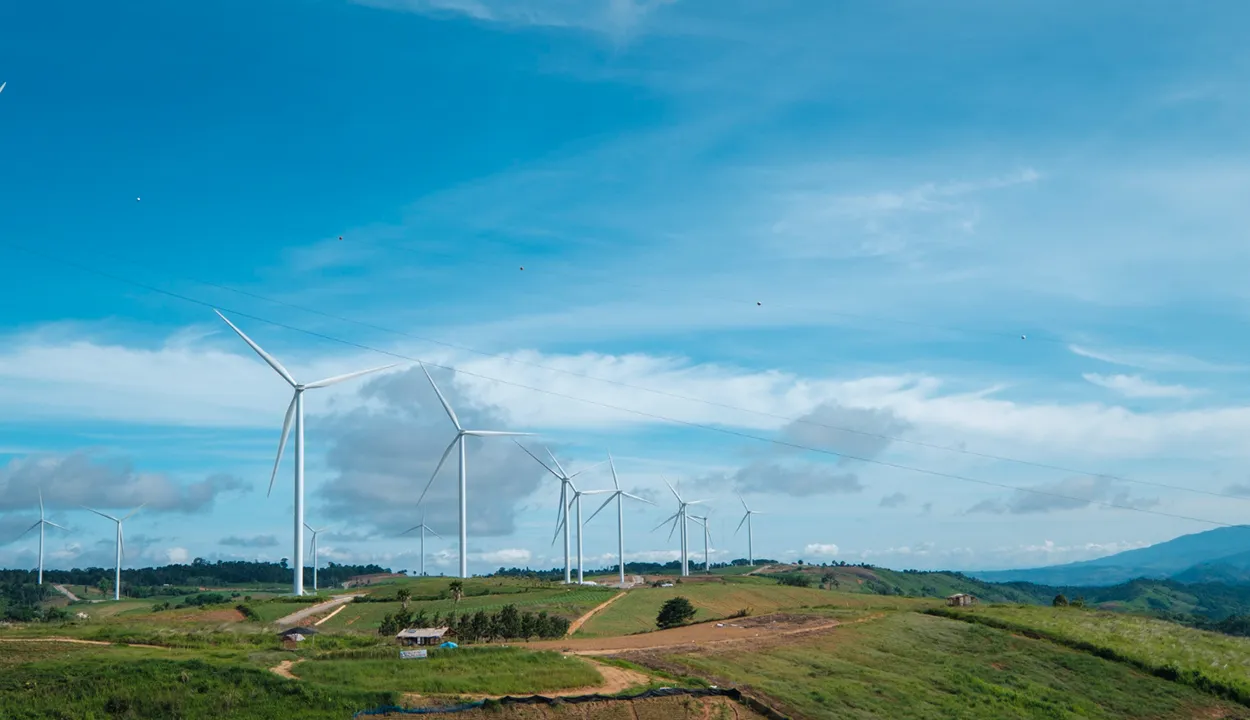
Indonesia aims for a renewable energy mix of 19–23% by 2030 and 70–72% by 2060, with the 2025–2034 RUPTL planning for an additional 42.6 GW of renewable energy capacity. However, on theground, this transition remains stalled due to regulatory and implementation issues, as well as marketstructures that do not yet fully support the accelerated development of clean energy in the country.
Policy and Regulatory Issues
The main problem is no longer the “absence of rules,” but rather inconsistencies andmisalignment in regulations. For example, the renewable energy mix targets in the National Energy Policy (KEN) and PLN’s RUPTL are not yet aligned with the priorities in the RPJMN and RPJPN, while energy and climate matters are divided among the Ministry of Energy and Mineral Resources (ESDM), the Ministry of Environment and Forestry (KLHK), the National Development PlanningAgency (BAPPENAS), and the Ministry of Finance, resulting in frequent policy coordinationoverlaps.
At the regional level, a concrete example can be seen in the Jeneponto wind power plant project, in which Price regulations and incentives are also not yet attractive enough. Under the feed-in tariffscheme for rooftop solar power plants and utility-scale solar power plants, the set tariff cap is oftenbelow the local levelized cost of electricity (LCOE), thereby pushing the internal rate of return (IRR) below the viability threshold for private developers. The PPA terms for many renewable energyprojects still range from 10 to 15 years, which is shorter than those for coal-fired projects—which canreach 25 to 30 years—resulting in higher risk premiums and capital costs.
Challenges of international cooperation and financing
On the international side, Indonesia has received great support through the Just Energy TransitionPartnership (JETP) and various green financing facilities, including result-based loans from AFD, ADB, EU, and KfW for PLN’s NRE acceleration program. However, the JETP evaluation report notes that the ambition to reduce emissions needs to be followed by strengthening the regulatory frameworkin the captive sector (industries that have their own power plants) and enforcing them so thatinternational funds really have an impact.
On the ground, technical barriers to financing remain: the long and complicated PPA process, theburden of land acquisition risks that many IPPs bear, the lack of incentives to accelerate COD (commercial operation date), and delays in reaching financial closes. The capacity of localgovernments and procurement units to prepare feasibility studies and manage tenders is also uneven, while guarantee schemes and compensation clauses in PPP contracts are not well standardized.
Policy recommendations
To bridge the gap between targets, international money, and the reality on the ground, severalpolicy steps can be prioritized:
1) Harmonization and simplification of regulations. Compile a map of NRE regulations thatharmonize central-regional regulations, cut licensing stages, and clarify the division ofauthority between ministries/institutions.
2) Revising the Energy Law to explicitly place NRE and net-zero emissions as the main goals, not just a complement to the fossil paradigm.
3) Design of pricing schemes and bankable contracts. Adjust NRE rates to the latest systemcosts (least-cost planning), especially for solar power and wind which are already cheaperthan coal in many locations.
4) Extending the tenor of PPAs, simplifying the negotiation process, and introducing incentivesfor the acceleration of COD and land risk reduction for IPPs.
5) Optimization of green financing instruments. Activate VGF specifically for high-cost NRE projects (e.g. geothermal, offshore wind, hybrid with storage) and integrate them with JETP facilities and result-based loans.
6) Expanding the use of blended finance (a combination of soft loans, grants, and collateral) tolower the cost of capital and attract more private investors.
7) Strengthening institutional capacity and governance. Increasing the capacity of PLN, ministries, and local governments in preparing projects, managing tenders, and implementingenvironmental-social safeguards.
8) Encourage community and local private sector participation through transparent MPA/PPP schemes and renewable energy human resource training programs.
With these measures, Indonesia’s ambitious targets are not just “numbers on paper”, but can betranslated into real projects that are funded, built, and operated—aligning policy, finance, and on-the-ground implementation. Harmonized regulations and streamlined permitting reduce transaction costsand uncertainty, while bankable tariff structures and longer PPA tenors improve project economics fordevelopers and lenders. Activating Viability Gap Fund and blended finance facilities lowers the costof capital for high-cost but strategic renewable energy projects, such as geothermal in remote areas orsolar–storage hybrids.
Strengthening institutional capacity at national and subnational levels ensures that tender processes, safeguards, and contract management meet international standards, thereby attracting moreprivate investment. At the same time, transparent and inclusive planning allows local communities toparticipate in and benefit from new renewable energy assets through jobs, local content, and improvedelectricity access. This integrated approach strengthens investor confidence, accelerates projectpipelines, and ensures communities benefit from cleaner, more reliable energy. By closing the gap between national targets, international funding, and field-level realities, Indonesia can move fromaspirational roadmaps to tangible megawatts on the grid. Ultimately, it advances a just and sustainableenergy transition for Indonesia, supporting energy security, economic competitiveness, and climatecommitments in the long term. Pro Pratinjau gratis pencarian lanjutan telah diaktifkan.